
How Pediatric Physiotherapy Helps Kids With Coordination and Motor Control
(By: Melina Marini)
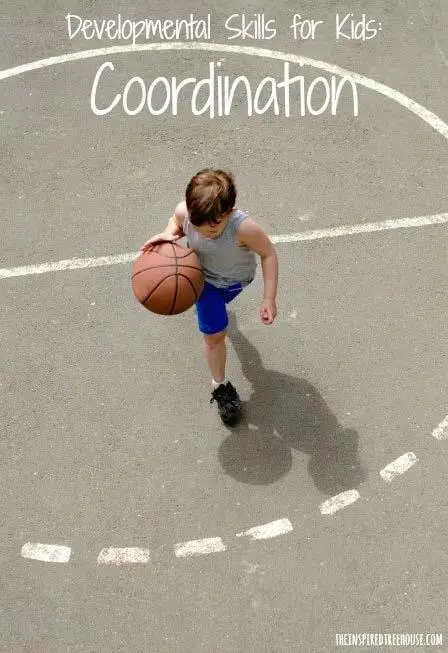
When parents hear physiotherapy, we often picture strengthening exercises or stretching tight muscles, which may be the case, but for many children, a main challenge is coordination. Coordination is how the brain and body work together to create smooth, efficient movement.
That’s where motor control comes in.
Pediatric physiotherapy focuses on helping children learn how to move.
What Does “Coordination” Really Mean?
Coordination involves the ability to:
- Plan a movement
- Start it smoothly
- Use the right amount of force
- Adjust while moving
- Maintain balance and control
A child with coordination difficulties might:
- Look clumsy or awkward
- Trip or fall more often
- Avoid playground equipment
- Struggle with sports skills
- Tire quickly during physical tasks
Many children are missing efficient motor control.
Strength vs Motor Control (Why Strength Alone Isn’t Enough)
Strength is about how much force a muscle can produce.
Motor control is about how well the nervous system uses that force.
Think of it like:
Strength = engine
Motor control = steering, brakes, and timing
Why Some Kids Have Coordination Difficulties
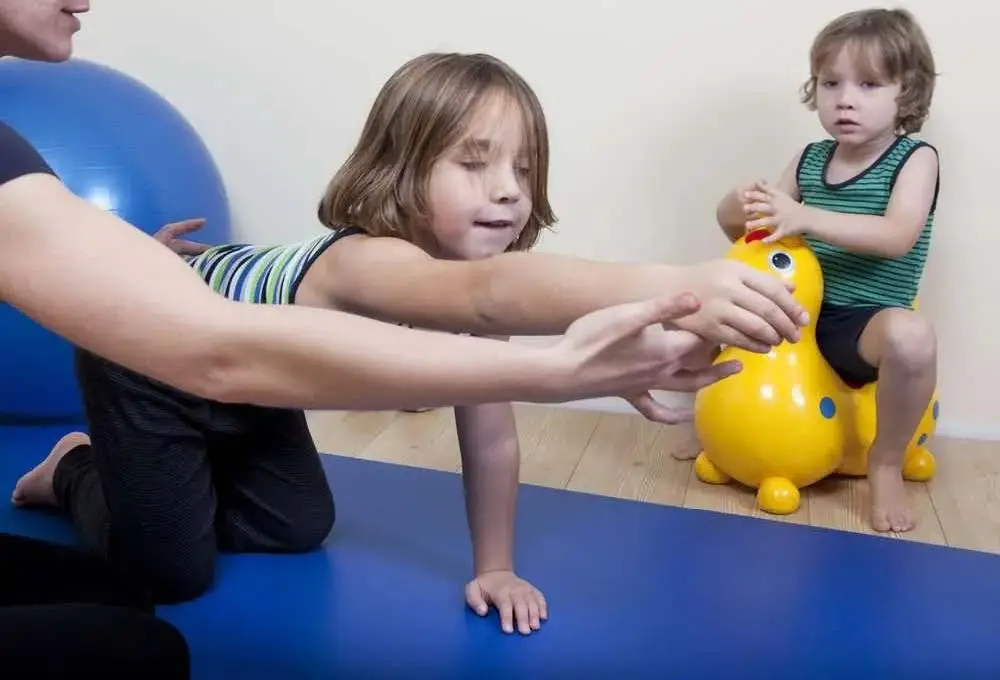
Coordination challenges can be related to:
- Immature motor planning
- Delayed postural control
- Reduced body awareness
- Sensory processing differences
- Low muscle tone or hypermobility
- Developmental Coordination Disorder
- Neurodevelopmental differences (e.g., ASD, ADHD)
How Pediatric Physiotherapy Builds Motor Control
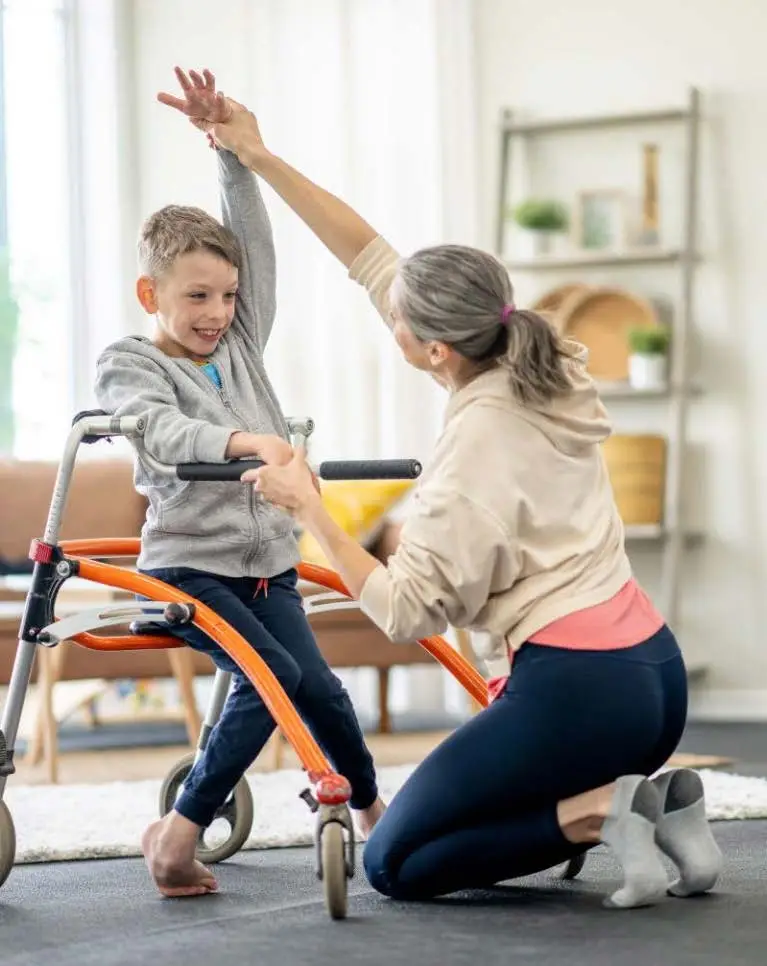
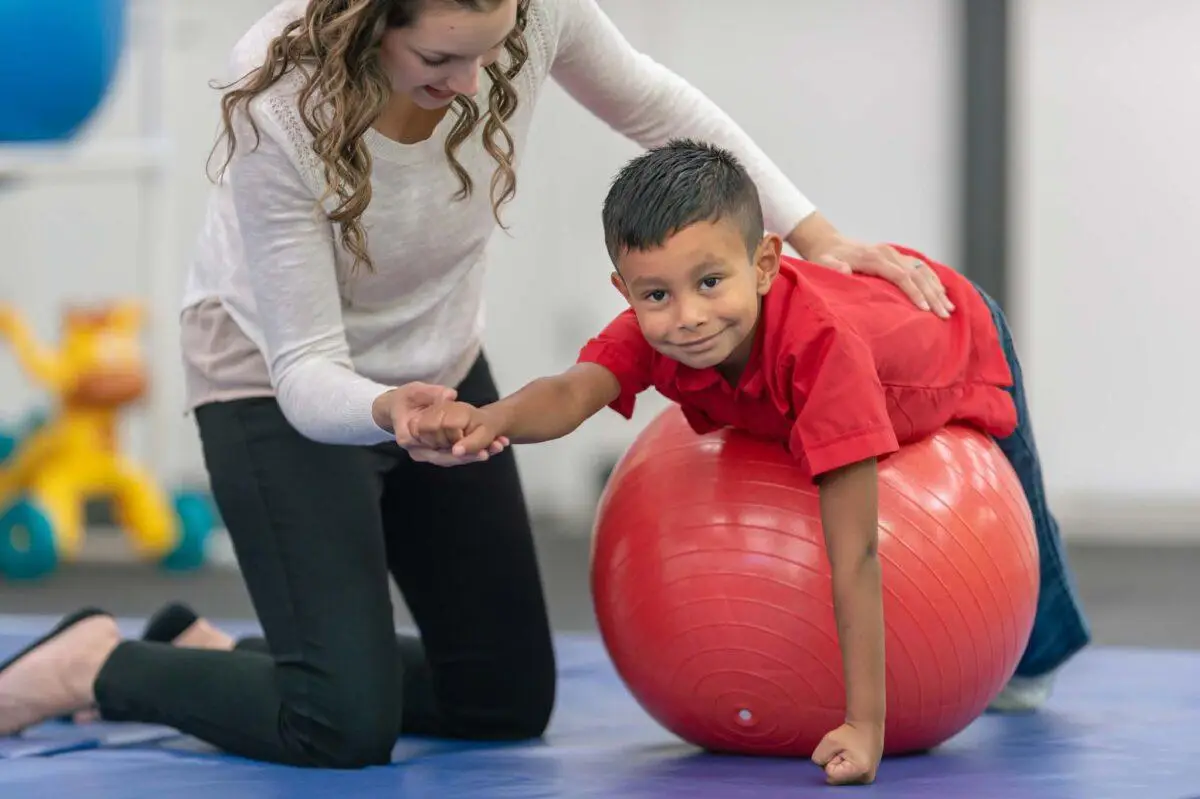
Pediatric physio uses task-specific, play-based activities to help the brain learn better movement strategies.
1. Postural Control & Stability
Before arms and legs can move well, the body needs a stable base.
Examples:
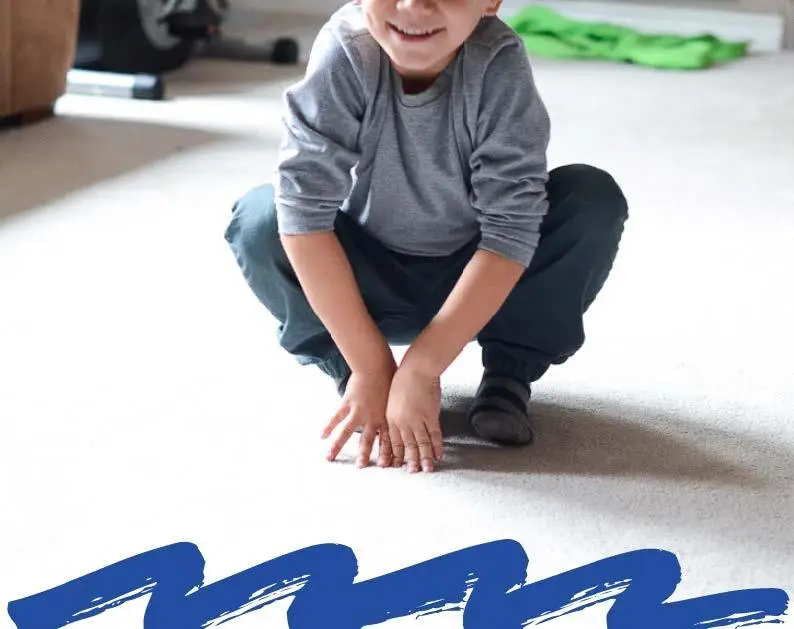
- Animal walks (bear crawl, crab walk)
- Sitting or kneeling games on unstable surfaces
- Reaching games while balancing on one leg
- Scooter board play using arms and trunk together
Improved trunk control allows smoother arm and leg movements, better balance, and less fatigue.
2. Motor Planning
Some children struggle to organize and sequence movements, especially new or complex ones.
Examples:
- Obstacle courses with multiple steps
- Simon Says or follow-the-leader games
- Transitioning between positions (floor → stand → jump)
- Multi-step playground challenges
Motor planning is essential for learning new skills like bike riding, sports drills, and classroom movement tasks.
3. Timing & Grading of Movement
This involves learning how much force to use and when to use it.
Examples:
- Catching and throwing balls of different sizes/weights
- Jumping games focusing on soft landings
- Pushing or pulling objects with control
- Stopping and starting games (e.g., red light/green light)
Children who can grade force move more efficiently, avoid injuries, and feel more confident during play.
4. Balance & Body Awareness
Knowing where your body is in space helps movements become automatic and smooth.
Examples:
- Balance beam or taped-line walking
- Hopping games
- Standing on one foot while throwing or catching
- Spinning, rolling, and changing directions during play
Better body awareness reduces falls, improves coordination, and supports skills like running, jumping, and climbing.
What Improvement in Motor Control Looks Like
Progress isn’t just about moving faster or stronger. Parents often notice:
- Smoother, more confident movement
- Less effort needed for physical tasks
- Fewer falls or near-misses
- Better participation in play and sports
- Increased willingness to try new activities
Why Motor Control Is So Important Long-Term
Good motor control supports:
- Physical confidence
- Injury prevention
- Participation in sports and play
- Classroom endurance (sitting, writing, transitions)
- Lifelong movement habits
Children who struggle with coordination often withdraw from physical activity. Early support
helps prevent this cycle.
When Might a Child Benefit From Pediatric Physiotherapy?
A pediatric physio assessment may help if a child:
- Avoids physical play compared to peers
- Appears clumsy or fatigues easily
- Struggles to learn new motor skills
- Has difficulty keeping up in sports or PE
- Becomes frustrated with movement tasks
Pediatric physiotherapy isn’t always just about strengthening muscles, it’s about helping children move with confidence, control, and enjoyment.
By focusing on motor control and coordination, physiotherapy helps children build the foundation they need for everyday movement and long-term participation.
Author

Melina Marini
Resident Physiotherapist
MScPT Candidate 2025
Melina is a Resident Physiotherapist with a strong passion for pediatric care. Trained at the University of Toronto, she is dedicated to family-centered, early-intervention strategies that support children’s growth and independence.